All Categories
Featured

Why Asset Managers Prioritize Landscape Scalability
Table of Contents
Seasonal shifts demand particular work that prepares landscapes for changing conditions. Spring work includes eliminating winter debris and dead vegetation, using weed preventers before weeds sprout, pruning spring-blooming bushes after the flowers fade, adjusting sprinklers for warmer temperatures, and planting seasonal flowers suitable for your location.
Fall prep includes planting spring-blooming bulbs before the ground freezes, aerating and overseeding grass if appropriate for your environment, lowering watering as temps drop, preparing sprinklers for winter if needed, and removing leaves before they smother turf. Winter season activities consist of watching inactive landscapes for issues, planning spring enhancements and replacements, pruning dormant trees and shrubs when appropriate, securing sensitive plants from freeze damage, and doing devices maintenance before spring hits.
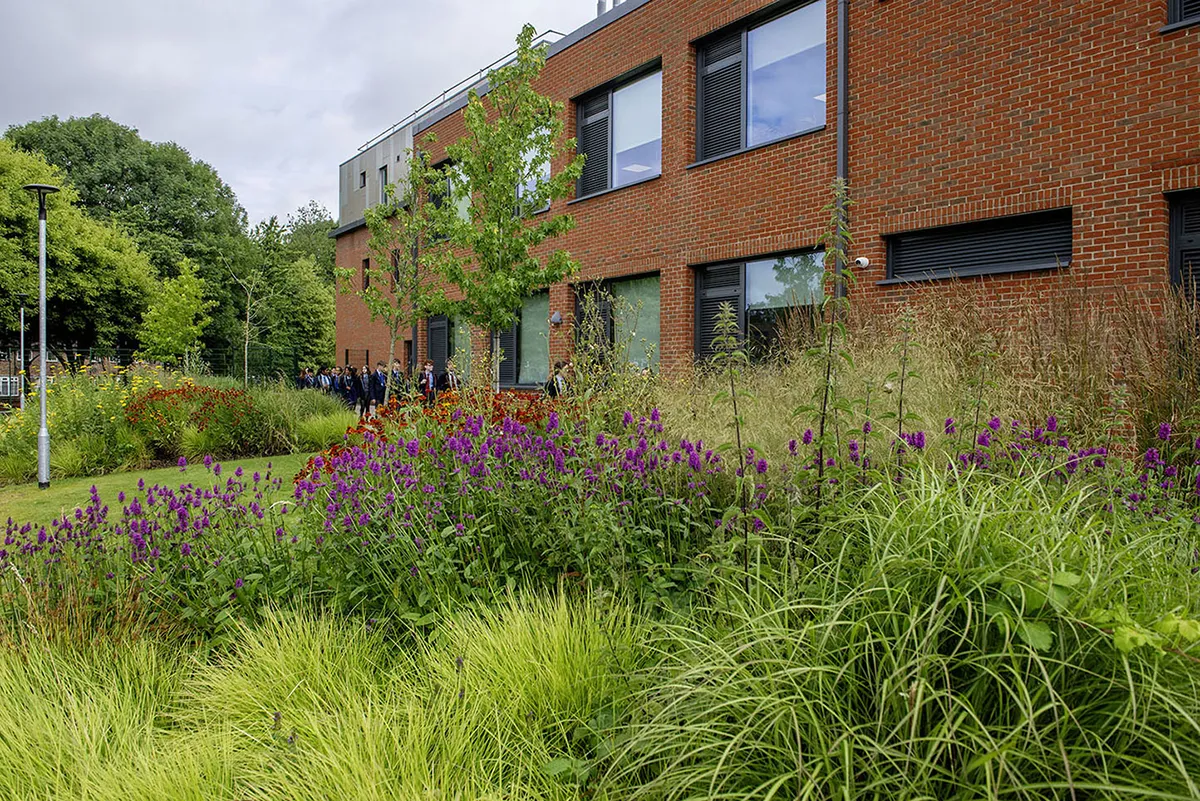
Office Park Landscape MaintenanceSprinkler performance improvements, wise controllers, and drought-tolerant plants cut usage without harming landscapes. Some communities slash water costs 30-40% through organized enhancements.
Strategic replacements during regular updates gradually lower business expenses. Mulch management impacts both looks and budgets. Correct depth suppresses weeds, holds wetness, and keeps things looking sharp. Routine replenishment costs less than combating extreme weeds and struggling plants. Preventive work costs less than emergency situation repairs. Routine sprinkler checks avoid costly water waste and landscape damage.
Maximizing Portfolio-Wide Landscape Efficiency
Getting competitive bids for contract work makes sure affordable rates. Balance cost versus contractor credentials, references, and real service quality. Landscape grievances occur all over.
Written problem treatments get rid of confusion and keep proper records. Putting grievances in writing develops documents while preventing heated in person arguments. Make certain citizens understand the length of time reactions typically take. Not every problem requires action. Neighborhoods can't personalize maintenance for private preferences in shared spaces. Citizens who do not like specific plants or choose their yard cut differently require respectful descriptions that neighborhood requirements use to everybody.
Inform residents what steps will occur and when work must be completed. Routine dated pictures of common locations offer evidence of actual conditions when disagreements emerge about upkeep quality or timing.
Style tastes change. New technologies improve on older systems. Multi-year restoration prepares spread significant improvements throughout a number of budget plan years, instead of focusing them in a single year. Plans should deal with aging plants, outdated sprinklers, and areas that have ended up being maintenance headaches. Reserve studies should consist of items such as landscape and hardscape features that require eventual replacement.
Upgrading styles brings aging landscapes into contemporary requirements while often reducing upkeep expenses. Current style trends prefer drought-resistant plants, decreased turf coverage, and materials that need less upkeep than those popular years earlier. Improvement top priorities must concentrate on high-visibility areas and severe issues before resolving minor problems in less visible locations.
How Predictive Maintenance Enhances Asset Value
Management business bring landscape understanding from dealing with numerous communities with various challenges. They understand upkeep requirements, professional oversight, and expense control strategies that volunteer boards typically lack.
Regular property walks help recognize problems before they end up being major, while likewise recording specialist efficiency for payment and renewal choices. Budget plan planning advantages from experience with comparable properties and practical cost forecasts. Management business understand typical expenditures while recognizing chances for efficiency improvement. Contact Neighborhood Management to discover how professional services can assist your neighborhood maintain lovely, well-managed landscapes and typical locations.

Boards that understand where technology is headed can make much better choices, improve resident experiences, and lead their communities more effectively. This article highlights the most crucial tech and AI patterns shaping HOAs this year, grounded in real-world applications and what's coming next.
A lot of associations today depend on digital platforms for interaction, payments, and document storage. Many offer online websites where citizens can submit demands, gain access to documents, or evaluation account details. At the very same time, development in the HOA area is speeding up, and some organizations are moving faster than others. For the past two years, we have actively developed and carried out AI-powered innovation across crucial functional areas.

Table of Contents
Latest Posts
Why Asset Managers Prioritize Landscape Scalability

Advanced Debris Control for Commercial Landscape Pest And Disease

The Asset Manager's Playbook for Medical Campus Facilities Directors
Latest Posts
Why Asset Managers Prioritize Landscape Scalability
Advanced Debris Control for Commercial Landscape Pest And Disease
The Asset Manager's Playbook for Medical Campus Facilities Directors